
Six steps to becoming a run machine
Short on runs and searching for answers? This blog breaks down a simple six-step framework to rebuild confidence, sharpen training, and perform under pressure. From finding technical clarity to shifting your mindset and tweaking your preparation, it shows how small weekly habits can unlock big improvements.
Marc Ellison
12/16/20255 min read
If you’re short on runs or not performing to the level you want, I’ve got a six-step plan that will unlock the door to take your game to the next level.
Here’s each of the six steps and an explanation for how you can improve your game by making these steps a part of your weekly routine.
1. Technical Assessment
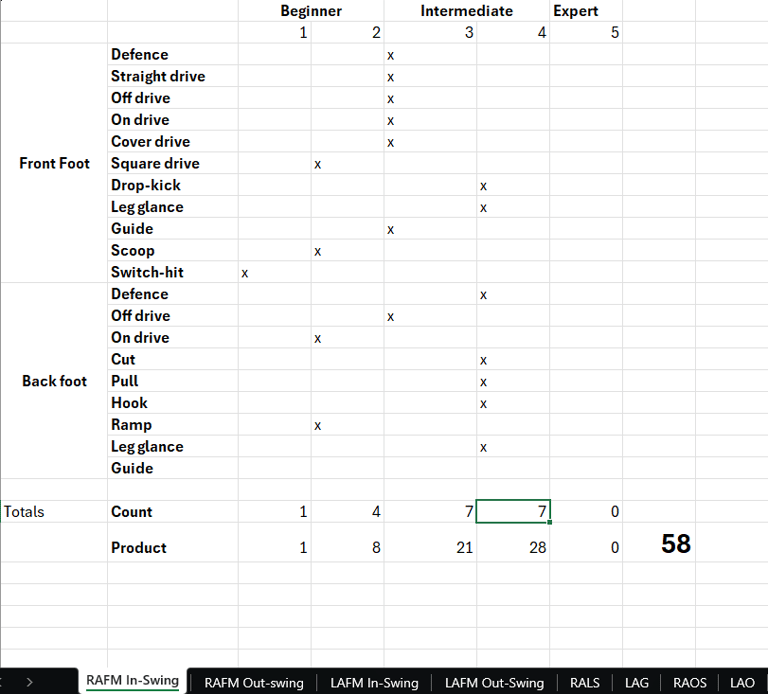
The first step is to assess where you’re at from a technical standpoint. How good are you on the front foot compared with your back foot strokes? Can you handle left-arm swing bowling, or do you prefer to face right-arm seamers? Are you happy to attack a right-arm off-spinner but dread it when the left-arm orthodox comes onto bowl? How confident are you at dealing with each bowler? Are you as confident defending as you are attacking?
2. Prioritise Your Key Work Ons
What you’ll observe by completing this exercise, leads you to the second step: your training priorities. When looking at your technical assessment, you might notice some low scores in certain areas. You now need to take a step back and assess whether those strokes are going to be tested in every innings you play based on the type of bowlers you face most often, they need to be prioritised as key areas to work on.
Prioritise the strokes to bowlers that you face the most and write these into your training plan. Give them the time and regularity they need in training to get 1% better every week. It might not sound like a lot, but it adds up over the course of a season.
Get someone to video you playing the stroke. If you’re fortunate enough to have access to a coach you trust, get them to give you feedback on it. Start working on the aspects that need attention via the simplest type of feed eg drop drives. Then move onto underarm throws.
As you become more and more used to the changes, you can advance onto overarms and the bowling machine (at a comfortable pace). Eventually increase the speed on the machine.
This gradual process gives yourself a chance to ingrain those technical tweaks so that, when you’re facing bowlers, your new technique has the best chance of standing up under pressure in the middle.
3. Training Environment
Intent:
Identify what you’re trying to achieve and ensure the quality is high eg good throws, bowling machine set up well, set up scenarios when facing bowlers.
Quality of surface:
Ensure you have the best possible surface to train on that reacts as close as possible to what you will get in a match. Consistent bounce is a high priority.
Variety of delivery styles:
You will need a good consistent thrower. A bowling machine is a nice to have. Having a variety of bowlers you will be facing in your next game is a great help.
Your training partner:
Finding a training partner that you trust is crucial. Someone you can share your goals with, be honest with and get the same in return is ideal.
Regular feedback:
Train with someone who can give improvement feedback, However, a respected coach will give you more detailed feedback on your performance, including video.
Netting:
Quality netting around your practice pitch will ensure you spend more time hitting and less time chasing balls.
4. Training With Purpose
Honing Technique:
Receiving throws or facing a bowling machine allows you to groove a specific aspect of your technique e.g. strong top hand when driving or hitting high to low when pulling or scooping the quick bowlers.
While doing this practice, you’re not focused on making a decision about which stroke to play, but rather what your feet/hands are doing.
Each stroke needs a lot of high-quality repetition in order for your muscles to remember and repeat the technique. This could take weeks and even months of grinding away.
Preparing For Battle:
Facing a bowler is all about competing in a specific scenario eg trusting your instinct or being proactive about putting the bowler under pressure.
You should practice this more the closer you are to your next match.
Ensure your net sessions against bowlers involve pressure of a scenario or a consequence for getting out. This helps when it comes to trusting your instinct while batting in the middle.
What you’re doing here is playing the strokes you’ve rated the most highly in your Personal Batting Scorecard at the start of this process.
Practice your mental routine.
5. Picture Yourself Doing Well
Visualisation:
YouTube now houses a significant number of matches that your opposition play in.
Find a match which shows a bowler or bowlers you haven’t faced before and use it to get a better look at their bowling action, their strengths and their weaknesses.
Work out how their weaknesses line up with your strengths. Plan for how their strengths impact your weaknesses.
Visualise playing an innings against these bowlers at the venue you’re due to play at.
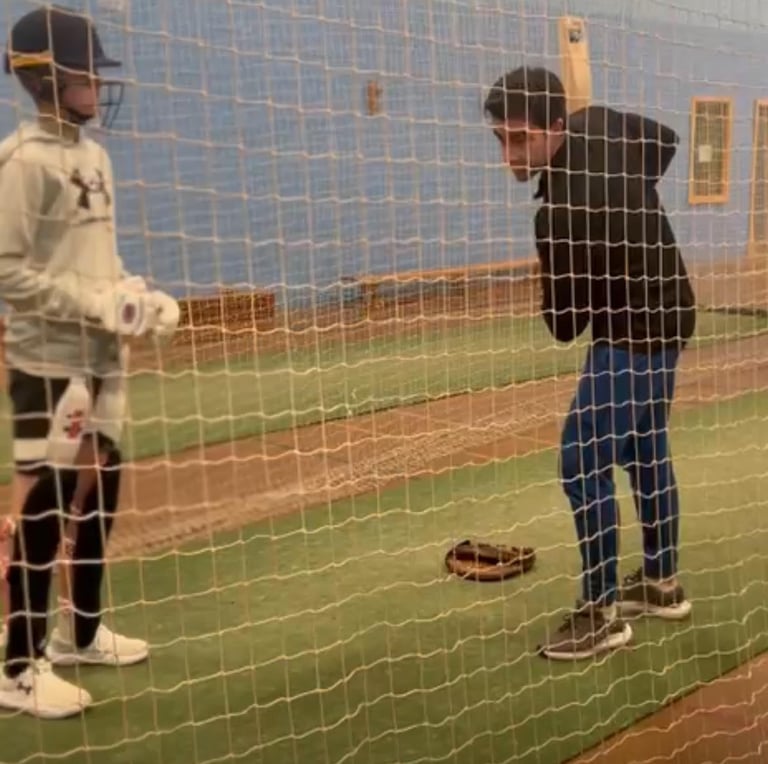
Virtual Reality:
VR headsets give us a sense of reality and can act as good preparation for matches eg Meta Quest Cricket or Runmakavr. If you haven't tried one out, I'd recommend giving it a go.
They're not perfect at present but watch this space as they are improving and will become a great coaching tool in the next 5-10 years once they add in venues and player likeness.
6. Getting It Done
Pre-Game Routine
Nutrition: Are you aware of how your food impacts your alertness and general well-being? Keep a food diary so that you better understand what foods give you energy and which food take energy away from you. Remove the foods which don’t help you and build your diet around the foods that work for you.
Sleep: Do you make a habit out of going to bed at the same time each night? Routine will help your body fall asleep easier. What time do you naturally wake up in the morning? Or, do you set an alarm? Aim for 8 hours sleep each night.
Physical: Taper your physical routine each week so that you’re nice and fresh come game day. Front-load any heavy gym or running sessions at the start of the week, so that by the end of the week you’re more focused on stretching and being ready to perform on game day for up to 7 hours.
Let Your Instincts Flow
You're likely to feel nerves/anxiousness before batting or at the start of your innings. These are good feelings. It means you care. It's also your body's way of priming you for a physical event or performance. There are specific techniques to help manage these nerves.
The key to batting in the middle is playing the same way you do in the nets.
Trust in the practice that you’ve done and that you’ve honed your instincts to take the right options on.
All you do in the middle is execute the strokes you have the most confidence in.
And… that’s it.
Give yourself 3-6 months of repeating steps two through six in order to understand which aspects of the process you need to tweak based on your needs.
I’d love to hear how you get on!
If you’d like to work with me to tailor these six steps to fit into your life, you can private message me on Instagram.
Follow us on Social Media
CONTACT
Want to hear from us every Month?
+447516707258
© 2026. All rights reserved.